This picture connects to the chapter because it shows how in school teachers separate kids from different race even though they get along to each other.
I didn't like this chapter because on how the school make the students do something they don't like. And if they didn't do it they wouldn't graduate from school.
I will remember how Oscar at the end of the chapter he started putting his head up and saying he was going to be the best criminal lawyer in the history of the world.
She write about how not just Brown vs. Board of Education wasn't the only big segregation case. There was a case called Mendez v. Westminster (1946) case challenged the segregation of white and Mexican students in Westminster, Garden Grove and El Modeno school districts. It was the first time ever that a judge wrote an opinion stating that separate is never equal.
she works as a student & research analyst.
She likes to write about things that matter to her the most. She represents her culture as much as she can.
I liked this post because it shows that african american and latino(a) are all going through the same struggles and we need to unite and overcome these obstacles together.
This post relates to this chapter because in chapter 2 the latino(a) kids were put in a different line than the american kids. That is segregation and it made people feel outcasted.
this connects with the chapter because of the dirty cops that were on trial got away with Robert Fernandez's murder and there are many cops today doing the same things. This innocent man was just protesting and fighting for something he believed in. he should have been harmed just for that.
I didnt like how the police did things and still do bad things and get away with them. It seems like they think they are above the law and can get away with anything they want. This chapter spokethe truth about how dirty some cops really are.
I will remember how how the cops tried to make Fernandez's murder look like a suicide and that is a low down dirty thing to do because it makes the victim seem like a bad person.
I found this picture on pure/ROKER's blog titled: More BART Shooting Video: Just Unbelievable dated January 28, 2009.
This picture is a poster reminiscent of Uncle Sam's I Want You poster...a propaganda poster. Except this is promoting police brutality. GASP! It has to be some kind of political cartoon that this guy found and it's hilarious because it's true. They don't make movies about police brutality and corrupt cops because it's entertaining, it's true. This picture you got your average pig: a white cop...and the poster says "I'm gonna kick your ass, and get away with it." This relates to the chapter because of the trial for the cop that got away with murdering Robert Fernandez. This poster says that any cop can do it. And it's not just him that got away with murdering Robert Fernandez, apparently the cop that is the subject of Roker's blog post got away with the murder of Johannes Mehserle. The cop was not just a cop, he was a BART (Bay Area Rapid Transit) Officer. On one of the platforms on New Year's Day, I believe his name is Officer Grant, a rookie cop, shot and killed Mehserle, who was unarmed, after beating the shit out of him. And this was caught on someone's cell phone video! And used as evidence!! Yet he gets away with it!!! What the feltch is up with the justice system?!?!?!
Raymond Roker is a blogger who founded the magazine titled: URB, a magazine that captures the urban life in print. He likes to discuss politics, race, culture, and photography. He made the blogger simply to share "discussion worthy" topics with everyone, encouraging debates. That's what it says on his biography, otherwise, I never heard of this guy, although I have heard of URB magazine, from somewhere... He seems like an interesting guy, if only politics were interesting.
This chapter is very memorable to me because of the courtroom scene. I love the detail of the scene, mainly because when it comes to dramas, courtroom dramas have to be the best, only because of the suspense. (...And Justice for All, To Kill a Mockingbird, 12 Angry Men, A Few Good Men to name a few)
I thought it was funny before the hearing when Rosalie, Madeline and Veronica were walking side by side with Acosta,and how they argued over who gets to carry Brown's briefcase. Acosta comes up with alternating who gets to carry it. Then they get into an argument on who carries it the first day. I thought that was hilarious and that is definitely something I will remember alongside the back and forth between the judge and the lawyers.
I found this picture through Google Images on the fourth page, second row, last column when I searched V for Vendetta
This picture from the film V for Vendetta has about 750,000 people (as said in dialogue on how many masks were sent out) from London, gathered together, wearing V's infamous Guy Fawkes Masks, to storm the Parliament building. V earlier in the movie had sent a message to everyone on television stating that on the fifth of November he will blow up Parliament as Guy Fawkes meant to do in the 1700's (or 1600's I can't recall). All these people through the course of that year of waiting for this event had opened their eyes and seen what kind of government is in rule of their beloved England. They've been living in a 1984ish type government and they didn't even know it being brainwashed by their leaders and all. They are there to see if V's plans will be performed. SPOILERS if you haven't seen the film...Parliament explodes in an amazing firework show after England's leaders had been killed. END OF SPOILER It connects to the chapter in the sense that Buffalo Brown got a lot of people to gather in front of the Glass House where the East LA Thirteen were being held prisoner. None of the people at the rally do anything stupid to upset the cops who have built a pig wall in front of the Glass House, as the British Military had set up blockades around Parliament. The cockroaches gathered together and walked around in circles without disturbing the property. Of course in the film, everybody just stands and watches the building in its final moments, some even had passed the military blockade when the General was told not to open fire. However, none of the V followers disturb the property at all. SPOILER As V said to Evey that the fate of the building is in her hands now END OF SPOILER.
I enjoyed this chapter, especially the conversation in the visitor's room between Acosta and the thirteen prisoners. Everyone wants to get a word in and Acosta barely even knows what he is doing. But Buffalo Brown was able to put this peaceful, non-violent rally in front of the prison so that the East LA Thirteen can be freed.
One thing I definitely will remember from this chapter is the fact that Buffalo Brown enters the station and says that he is there to visit the East LA Thirteen and the guard looks at him and asks who he is, and when he says he's a lawyer, the guard looks at Acosta all confused. Looking at his dress attire and then double checking the bar card and making sure that this man was legit for sure. That has to be one of the most hilarious moments in the book which occurs several other times too.
This connects to the chapter because "Zanzibar" played an important role during the Chicano Movement. Since his death Acosta was accused of his murder and the government offices were being targeted by underground bombers.
I did not like this chapter because the judge did not let Acosta act like a lawyer and treated him like a criminal.
I will remember that even though this case scene happened in the 1960's one can see this happening towards the Chicanos today, and racism can be seen anywhere. The Moratorium is celebrated until this day and one can remember the Chicanos who struggled to be "equal" and treated better by society.
1) I found this blog written by Ed Fuentes off of Blogdowntown.
2) He writes about there being a day commemorated for the Salazar family, a man who died the same day as Ramon Zanzibar the reporter for KMEX.
3) He is a graphic artist and muralist in Downtowns Art district.
4) He likes to paint, and be involved and around politics.
5) I liked his post about Pillow fight returns to times square. It was a much lighter subjet than the rest of his posts.
6) This tied in with the chapter because he talks about the city comemorating a man who followed and was spreading the story of the Chicano movment at the 1970s rally against Vietnam just as Ramon Zanzibar did at this even for KMEX.
1) I got this video from youtube. 2) This connects to the chapter because one of Browns witnesses, Doctor Joan Moore is speaking to the jury about what a Chicano really is which would determine if this case is right for this court. This made me want to look up what everyone else thought a Chicano was. 3) I did like this chapter because it showed he amount of power that Brown had. This was best shown when he subpeanaed all of the judges to appear in the courtroom. 4) I will remember what Doctor Moore described in her testimony the most because it really ties into this class and what it is we are all trying to figure out. What truly is a Chicano and the heritage we all have.
what did i tell you?? i told you guys i'd be the one writing blogs at 11pm the day before everything is due. =D
i found this blog at laeastside. it's called 13 Common Myths, Misconceptions & Stereotypes About Mexican-Americans and it's written by a blogger named AlDesmadre. when i read the blog, it reminded me of the part in chapter 3 where they were discussing whether or not certain people were worthy enough to be part of la causa. i hear this discussion all the time among activists. i hate the fact that to be part of a certain cause or to be heard out on an issue, one has to fit a certain profile. most of the time, we talk about how it's the white man keeping us down and when they try to help us out by coming to our rallies and protests, we instantly turn them down because theyre the "oppressors." i also see it a lot with feminists and how they instantly shut men out because theyre the ones who have been keeping them down. i dont think it should ever have to be like that.
about the blogger:
his name is Al Guerrero and he's an artist/humorist. he's from Los Angeles, specifically East L.A. he went to Garfield High School and dropped out of UCLA. he was discovered and hired by the Walt Disney Company in 1995 but eventually became disillusioned and went into education. he writes about his experiences in east los and often writes very interesting blogs critiquing l.a.'s battle with gentrification.
EL RANDOM HERO HAS MOSTLY WRITTEN ABOUT PLACES AND EVENTS THAT TAKE PLACE IN THE EASTSIDE.
THIS BLOG DOESN'T HAVE A DIRECT CONNECTION TO CHAPTER 19 BUT, IF YOU REALLY THINK ABOUT IT EL RANDOM HERO AND OSCAR ZETA ACOSTA TALK ABOUT SIMILAR THINGS.
IN CHAPTER 19 O.Z. ACOSTA GIVES US QUICK FLASHBACKS ABOUT WHAT HE WENT THROUGH, HOW HE HAS GROWN, AND WHAT HE PLANS ON DOING NEXT.
ACOSTA FEELS HE IS DONE WITH THAT CHAPTER IN HIS LIFE WHICH IS WHY HE DECIDES TO MOVE TO SAN FRANCISCO.
ALTHOUGH EL RANDOM HERO DOESN'T MENTION BEING DONE WITH L.A. EASTSIDE, HE DOES EXPLAIN HOW JUST A YEAR AGO L.A. EASTSIDE WAS JUST A BABY. NOW THE BLOGGERS AS WELL AS THE WEBSITE HAVE GROWN.
WHAT I WILL REMEMBER MOST ABOUT THIS CHAPTER IS WHEN ACOSTA DESCRIBES THE FEELING OF TRIUMPH AFTER THAT BOMB GOES OFF. ALTHOUGH THERE WAS AN INNOCENT VICTIM WHO WAS KILLED, ACOSTA DOESN'T FEEL GUILTY BECAUSE IN THE LONGRUN THAT MARK IN HISTORY WILL BENEFIT MANY OTHER CHICANOS(AS).
This picture is from the scene of the killing of the KMEX reporter at The Silver Dollar on Whittier Blvd. during the Chicano Moratorium. The blogger writes about Ruben Salazar the reporter (or in the book Roland Zanzibar) who was killed by the tear gas canister shot by the deputy sheriff. In the memory of Salazar, the US Postal Service is issuing special stamps honoring the slain reporter. I liked the post because it brings important history to the attention of the younger generations and honoring an accomplishement by a person who isn't necessarily a household name. The picture coincides with chapter 15 and the events of the Chicano Moratorium.
The outside blog post I found was on the La Eastside blog and was called "In America you have rights, sort of. I hate cops. Reason 1,109."written by Browne Molyneux. The author writes about injustices by the police in Los Angeles, and many of the issues of Los Angeles, such as racism, jobs, and sanitation problems. She likes to stand up for people's rights and often quotes parts of the U.S. Constitution. I liked this post because it had similarities to Chapter 8, where the young lady, Lupe tells the lawyer that the deputies killed her brother. This is similar to the arrest of the author's boyfriend (BusTard), where he was not told of any rights or charges against him. I liked the post,as it show the improper treatment by the officers. Below i have embedded an excerpt from chapter 8 as read by Oscar Zeta Acosta in 1973.
i found this video on youtube. it reminded me of when the author went to see cesar chavez during his hunger strike. when i first started becoming active in my community and hearing that people went on hunger strikes to get issues out to the people, most people would tell me that hunger strikes never solved any problems and they usually ended because the participants just figured out that they didnt work. i never believed that they didnt work and in fact my biggest arguments against that were that ghandi and cesar chavez got things done through their hunger strikes.
last year, while commuting to and from northridge, i came across the encampment set up in placita olvera (since it's in front of union station) and always wondered what they were doing there. my dad was working at placita olvera at the time and he told me to stop by and see them. since i would always come home late, i would never want to bother them. when i got curious, i did some research on them and found that they were part of an organization called RISE who became committed to trying to get people to sign the pledge to vote for immigrant rights
I got this video from Youtube; it displays the nature of corrupt LA cops, similar to those in the book. I felt this video connected to the chapter because the cops on trial got away with murder of Robert Fernandez. The system protected them from getting in trouble when the evidence of murder appeared. The cops in charge of booking Robert made it look like a suicide when in reality he killed him. LA's finest in action. I liked this chapter because it went into detail of how intense some courtcases become and how frustrating it is when justice is not served. The moment I will remember most was the cross-examination of the black prisoner and how it broke the trial open, even though it was for nothing, Brown's lawyering skills shined through.
This great video I found doesn't let me embed it. The video is a slideshow and documentary made by a student about the Chicano Moratorium. Starting about 3 minutes into the video, it shows the police brutality, which is exactly like the brutality in Chapter 3. This conects to chapter 3 because of the cop arresting, punching, and the chaos that is brings. I remember most from this chapter the chants Viva Zapata! Pancho Villa! Cesar Chavez! Corky Gonzales! Reis Lopez Tijerina! and the response "Que Viva!" to each one.
Drugs such as LSD play an important role in this book, especially in chapter 6. Zeta brings a bag of acid from his trip to San Francisco and shares it amongst his friends. They go into the desert to prepare for the trial of the East LA thirteen. The chapter is one of my favorites because it is a good representation of what drug culture of the late 60s was all about. The moment I will remember the most is when the property owners were coming to Zeta and his friends from the lake and Zeta thought it was part of his acid trip so he didnt move at all until it was almost too late.
I found this blog written by "AlDesmadre" on the L.A. Eastside website. He writes about the East L.A. Riot in 1970 and his experience through the destruction of Whittier Blvd. He works to describe his own personal experience through the riot. He likes to let his viewers feel what he felt during the riot. I liked the post because he made me feel like i was in his shoes during the riot. The post relates to the chapter because they both show a sign of protest to something they disagreed with.
I got this picture from an LA Times article about the restoration of Whittier Boulevard. This picture connects to the chapter because it was the place where "twenty-five thousand Chicanos had marched down. It symbolizes where they made a huge public declaration of their "own existance". The thing I will remember about this chapter is not only the march, but the victory over the courts that forces them to answer any and all questions that the lawyer poses to them.
I got this picture from Google pictures. This picture connects to a moment in chapter two when he talks about how the teacher made Mexican students march separately from American students. This picture shows two differently lines. One of the lines is filled with colored students and the other with white students. I like this chapter because he brings up his childhood and how there was still segregation in integrated schools. He knows this is not right so he stands marches to the principle and approaches him with this problem. I think i will remember most of this chapter is the part where the teacher lines children by height then partners them up with kids by their race.
I got this picture from Google images of Whittier Blvd in 1970.
Chapter 15 starts off by the author describing The strip on a Saturday morning with Mexican restaurants, pawn shops, finance companies, Sears, Jack in thr Box, Department of Social Welfare, etc. He also describes how the police treated Chicanos hanging around this street.
Whittier Blvd is important because the author describes a documentary about how cops were beating people on the street with clubs and how chaotic and ugly it was and it really affected Acosta.
I found this blog written by EL CHAVO! He writes about the crisis in la and about the things that he thinks are important food is one of those. he doesn't mentioin his job or what he does for a living he says it doesn't matter. he likes poetry, romantic candlelit dinners, and quiet walks on the beach. I liked this post because it really shows a lot of detail on how the stores in los angeles really are. this post relates to chapter 16 because in the chapter everyone is drinking and meeting up and most likely they got all of their booze and what not from liquor stores.
i got this picture from a timeline for barrio logan done by students at the University Of San Diego. it is a picture of robert kennedy and cesar chavez.
i chose this picture because of the discussion that buffalo and the others were having regarding the elections. they were discussing whether to support the democrats by supporting robert kennedy, or to support the republicans by supporting eugene mccarthy in the elections of 1968.
in the book, risco tells mangas that he's going to work for mccarthy's campaign and mangas says that he's getting out the vote for kennedy. when i read that, i was in shock. i thought that they would all support kennedy because he supported cesar chavez in his hunger strike.
but then i kept reading and i saw that the reason the campaigns were supporting the chicanos was because the primary was close and they needed california. when i read THAT, i remembered what i read in malcolm x. malcolm x said that the republicans were screwing people over and making it obvious, and the democrats were being nice about screwing people over.
This connects to Chapter 12 because during Browns speech in front of the jury he digresses with a story about Hernando Cortez to conquer the land or die for the glory of God . He explains how they attack village after village and even make alliances with the natives promising protection from Montezumas bloody rituals. He talks about the natives marched to the capital.
I will remember this from chapter 12 because Brown makes a great point by saying "Ladies and gentlemen of the jury, if we had planned to ransack the temple, if we wanted to attack the sanctuary...tell me, would we have brought women and children?"
I got this video clip from the movie " A Soldiers Story." The first eight minutes connects to chapter one of the novel "The Revolt of the Cockroach People" because both Denzel Washington and Black Eagle demonstrate their opposition and in return get attacked. In the movie the Sgt. is telling his men something unmoral and unjust. Denzel Washington does not agree and speaks out what he believes in. Same as Black Eagle when he was told by the usher that he and everyone else could not enter the church. Next in the video clip the Sgt. begins to approach and grab Denzel but he does not let himself and retaliates. Black Eagle is also approached by the usher, but he does not let himself be attacked. Both these characters have alot in common in sense that they both speak what they believe in and fight back certain individuals that normal people would never do. Certain individuals like a usher of the church or a superior in the army.
I liked this chapter because it made things interesting. It started of the book with action and made you want to read more. The most I will remember from this chapter is how he choir keep singing while there is a riot happening right outside.
This is Cesar Chavez, "The Father of Chicanos". In the chapter Chavez tells Acosta," I know LA is a graveyard for organzers. you, personally, Buffalo Brown, a Chicano lawyer, have got to help those kids. Nobody else is going to do it." This is what makes Acosta realize that nothing else matters, and that he met his destiny.
I will remember this moment in the chapter because its probably the most inspirational part and very special. Because of this conversation, he represents the East LA Thirteen.
I got this scene from Return of the Jedi from YouTube.
This connects to the first chapter because of the riot that starts the book off at St. Basil's Roman Catholic Church. Yes, the video is from Return of the Jedi, and yes, the Rebel Alliance is not attacking a place of worship just because they want to be let inside. In the video, Han Solo and Leia are trying to get into building holding the controls to the deflector shield of the New Death Star so they can help the alliance, who are heading to the location of the Death Star to destroy it. They can get inside if the shield is not operational. The visual imagery in the book with everyone being attacked by cops dressed as ushers of the church oddly reminded me of this scene. Well obviously the scene is a lot longer because in the movie eventually the Ewoks of Endor's Forrest Moon help the Rebels because they believe C-3P0 is a god. The Ewoks help the Rebels take over the Imperial Fleet which leads to the shut down of the deflector shield. But its the imperial forces taking Han and Leia prisoner that flashed in my head as I read the book. For some reason, Acosta reminds me of Chewbacca, only because of the description that Hunter S. Thompson but in my head of this fat, big Mexican lawyer. Chewie is in someways Han's lawyer, because he always fights for his pal. Chewie was also able to evade the Imperial forces and take over one of their vehicles. Just as Acosta would not get arrested no matter how hard he tried. Then again, Acosta was not trying to evade them either. Anybody in this class who hasn't seen the original trilogy...*sigh* I don't know what to say to you...
I really liked this chapter. It goes with my, I wouldn't say philosophy, but...I can't seem to find the word, but it goes with my (fill in blank) that stories should start off with a boom. That's how you get the audience interested, and then fill the rest of the movie with cool-ass moments. Look at how many movies started off with a bang: Star Wars, Live Free or Die Hard, Dawn of the Dead, I mean some guys head explodes within the first 10 minutes of Dawn of the Dead (the original 1979 version, although I do like Snyder's 2004 version). It starts off with a bunch of radicals trying to get in a church and bam! as soon as the doors open, the shit's hit the fan. Guys who we believed were ushers, were cops in disguise, and are now attacking these people with batons. All while the choir sings without skipping a beat which is reminscent of the napalm explosion in the opening scene of Apocalypse Now playing to "The End" by The Doors.
What I find most memorable in this chapter is the disguised police. How they were just waiting for the people to give them an excuse to show no mercy. And the fact that no one touches Mr. Buffalo Brown and he just walks out like nothing was going on.
(Professor please excuse my delay. My father had a stroke this week and have been unable to do any of the blog posts, but I assure you by the end of tonight I'll get the other two in. Thank you.)
I got this pic from google by typing in brown buffalo in the search bar.
This connects to the chapter because in the chapter oscar zeta says that he got fired for his name which was Buffalo Zeta Brown.
I liked the chapter because the characters in it are talking in the way that the old cholos used to talk.
I will remember Zeta's first thoughts about Gilbert and how he thought he looked like a frog. Also how educated Zeta was and how he was a lawyer at one point.
I got this picture from youtube by typing "las ultimas palabras de hussein" in the search bar.
This connects to chapter 9 because in that chapter they are on trial for the death of robert.
I liked this chapter because it keeps you in suspense and makes you wonder what happened to robert and how he died.
I will remember the guy mickey de silva that is not showing or picking up zeta's calls because my friends call me mickey too and i do the same thing when i don't want to hang out with them.
He usually writes about Chicano issues and education.
He works as a businessman and artist.
Some of the things he likes are real estate, walking, fine art photography, math, movies, sports, and Chicano culture.
I liked his post because he talked about how Chicano Studies classes are not being taught everywhere. He mostly focuses on the east coast because he says little is know about Chicano culture there, since it is not being taught. I liked his ideas of expanding the diversity of subjects to produce a more well rounded college student, by increasing their knowledge base.
This relates Chapter 13 because in this chapter Zeta and Corky Gonzales talk to a college students at the UCLA student union. During this time Chicano culture courses didn't exist in college. As Corky and Zeta speak they educate the crowd on how they need to focus on issues in their own backyard. People were beat by the police on the students' own campus and the students weren't outraged since the people who got hurt were Chicano. So if there would have been Chicano courses maybe the students would have been compassionate to what was going on in their own backyard.
I got this video from YouTube. This connects to Chapter 3 because the students in this video are walking out for injustices being experienced by Mexicans. The students in this video are taking a stand and giving power to the people like in Ch. 3. Aside from that I remember during the HR4437 protests by the students several were arrested like in the walkouts of Ch. 3. I liked this chapter because it shows that even students have power. I also liked that the students were informed on the issues affecting them in this chapter. I will remember most about this chapter the crowd yelling "Que Viva" after names like Cesar Chavez, Zapata, etc. This was shouted out when the students walked out of my high school during the HR 4437 walkouts.
This connects to Chapter 11 because every prosecution witness that testified had a bias testimony to the events that happen at the church protest. This picture really reflects the testimony of the the Irish cop that took the stand first in the trial.
I liked the chapter because Zeta was willing to go to jail for defending his clients. I also like the idea that someone could "stick it" to a judge like he did in the chapter.
I will remember most about this chapter when the cop is going to take Zeta away to jail and he takes some drugs right before he goes to jail in front of the cop.
OK..I UNDERSTAND THIS VIDEO IS SUPER GROSS BUT IT HAS A STRONG CONNECTION TO CHAPTER EIGHT. CHAPTER EIGHT IS ABOUT THE CORRUPTION WITHIN THE L.A. PIG DEPARTMENT. ROBERT FERNANDEZ IS A VATO LOCO, OR SHOULD I SAY WAS, WHO WAS ARRESTED SIMPLY FOR MAKING A STATEMENT WHICH HAD TO DO WITH LA RAZA. ACCORDING TO THE POLICE HE WAS TO BE RELEASED IN A COUPLE OF HOURS. BUT THEN A COUPLE OF HOURS GREW INTO A COUPLE OF DAYS UNTIL THE FAMILY COULD MAKE THE 500 DOLLAR BAIL AMOUNT. BEFORE THE FAMILY COULD EVEN GET THE MONEY, THEY WERE NOTIFIED THAT FERNANDEZ HAD COMMITTED SUICIDE. THE FERNANDEZ FAMILY KNEW ROBERTO WOULD NEVER DO ANYTHING LIKE THAT. HE HAD ALREADY TURNED HIS LIFE AROUND. HE WENT FROM A VATO LOCO TO A HARD WORKING MAN, AND HE HAD EVEN LAID OFF THE DRUGS. SINCE THE L.A.P.D. HAD THE POWER, THEY COVERED THE MURDER STORY WITH ONE OF SUICIDE. EVEN THE DEATH CERTIFICATE WAS FALSIFIED. WITH THE HELP OF BROWN, THE FERNANDEZ FAMILY WAS ABLE TO GET A SECOND CHANCE TO REVEAL THE REAL CAUSE OF POOR ROBERTO'S DEATH. THAT SECOND CHANCE WAS A SECOND AUTOPSY. O.Z. ACOSTA DESCRIBES IN DETAIL THE AUTOPSY AND HOW ROBERTOS BODY WAS LITERALLY DESTROYED IN ORDER TO FIND TRACES OF BRUISES, STRUGGLE, ETC.
THE REASON WHY THIS CHAPTER IMPACTED ME WAS NOT ONLY BECAUSE OF THE EXTREMELY GROSS DETAILS BUT ALSO BECAUSE CORRUPTION STILL PLAYS A LARGE ROLE IN TODAYS WORLD. THE L.A. PIG D. IS SUPPOSED TO BE HERE TO PROTECT AND TO SERVE YET WHEN IT COMES DOWN TO IT THEY DON'T DO SHIT!! I HAD AN EXPERIENCE SIMILAR TO THAT OF ROBERTOS. MY BOYFRIEND AT THE TIME WAS WALKING ME HOME. WE WERE ON CYPRESS AVENUE WHEN WE FIRST SAW THE COPS. AS WE KEPT WALKING, WE SAW THEM MAKE A U-TURN. THEY APPROACHED US, OF COURSE. BECAUSE MY EX IS TALL, DARK, AND DRESSES IN BAGGY CLOTHES IN THE EYES OF THE "JURAS" HE COULD BE POTENTIALLY DANGEROUS. ALL WE WERE DOING WAS WALKING AND WE GOT STOPPED. AFTER THEY SEARCHED HIM AND THEY QUESTIONED US THEY FINALLY LET US GO. THEY JUST WANTED TO FIND SOMETHING ON HIM SO THEY COULD TAKE HIM IN.
WHAT I WILL REMEMBER MOST ABOUT THIS CHAPTER IS WHAT BROWN SAID IN THE END. IT KIND OF HAS TO DO WITH WHAT BROWN SAID AT THE END OF CHAPTER 19. HE FELT KIND OF BAD THAT ROBERTOS BODY HAD TO BE COMPLETLEY DISFIGURED BUT IT HAD TO BE DONE IN ORDER FOR JUSTICE TO BE SERVED.
He writes about police corruption in America. He shows the all the victims which includes minorities, such as Chicanos that we are reading about in the book. His opinion is that the police will continue to do whatever they want because for the most part there will be no consequences, and if there is it will most likely not include jail time.
He likes to talk about politics, marijuana, police corruption, and society.
I liked his post because he showed videos of the police mistreating innocent people and taking advantage of their power. This was evidence for his claim that the police are not held responsible for their actions.
This blog relates to the chapter because, in the book we see the police arresting Robert Fernandez for no good reason and tricking his family into thinking he will be released shortly. They then try to cover up their actions by saying his death was a suicide which makes no sense since he called his family to tell them to post bail. It shows that corruption has always and will always exist.
THIS PICTURE REMINDED ME OF THE CHARACTER GLORIA CHAVEZ IN CHAPTER ONE. SHE IS A STRONG FEMALE WHO STOOD UP FOR HER BELIEFS. SOME PEOPLE MAY HAVE THOUGHT HER ACTIONS WERE TO RADICAL BUT HER CHARACTER IS SO FILLED WITH PASSION AND RAGE THAT SHE DOESN'T CARE. THE REASON WHY THIS CHAPTER STOOD OUT TO ME WAS BECAUSE IT IS SO FILLED WITH IRONY. THE CHURCH WHO PREACHES ABOUT GOD, PEACE, AND LOVE FOR ONE ANOTHER WAS SHUTTING OUT ITS OWN CHILDREN. INSTEAD OF WITNESSING JOY ON THAT CHRISTMAS EVE IN 1969, THE CHURCH AND ITS FOLOWERS BOTH THE ACCEPTED AND THE UNACCEPTED WITNESSED BLOODY VIOLENCE. ALTHOUGH VIOLENCE IS TAKING PLACE THE ACCEPTED FOLLOWERS DECIDE TO IGNORE IT ALL AND LET THE "PIGS" TAKE CARE OF IT ALL.
WHAT I WILL REMEMBER MOST ABOUT THIS CHAPTER IS THE SCENE WHEN THE BEAUTIFUL CHICANA MILITANT, GLORIA CHAVEZ, RUNS TOWARD THE FRONT OF THE CHURCH. AS SHE DESTROYS AND SPILLS THE WAFERS AND WINE SHE SCREAMS OUT "QUE VIVA LA RAZA!!"
This picture connects to the chapter because it represents how the students walk out to march for their rights. I liked this chapter because it gave me the image of the students marching for their rights as i was reading chapter 3. I also felt very proud of those kids that weren't afraid of the police when they walk out. I will remember how the Chicano students where marching united for the same cause "Chicano Power".
He typically writes about topics that are usually ignored by most people or topics that are not well known.
He worked for several years as a journalist, photographer, and documentary film editor.
He likes working on independent short films and blogging his thoughts and opinions on Mental_floss magazine.
I liked his post because it talked about and recognized a couple other riots that have occurred throughout history, yet they are not mentioned as often as others.
This blog/post relates to the chapter because the description at the beginning was of the Chicano Moratorium and how the police attacked the Chicanos that were protesting at Laguna Park. The Zoot Suit Riots are similar to this rioting at Laguna Park because they both were caused by unfair treatment from the police towards the Chicanos due to racism.
This connects to the chapter because in the book Brown goes back to Northern California to seek advice from a fasting Cesar Chavez. Chavez tells Brown that he must start the movement in Southern California so that Chicanos will be treated equally.
I liked this chapter because the advice that Chavez gave Brown was very knowledgeable and valuable information. I have always respected Chavez for doing so much through his philosophy of not resorting to violence, which is shown in this chapter.
What I will remember most about this chapter is Chavez's ability to convince Brown to join the forces. Even when Brown says that he does not want to be a lawyer, Chavez quickly responds by saying that no one in their right mind would want to be a lawyer convincing Brown to join.
This connects to the chapter because Brown, Pelon and Gilbert create a homemade bomb and decide to go use it. Brown wants to use it somewhere that will symbolize what the CM motives are but Pelon and Gilbert say that they should use it to kill a pig, or police.
I liked this chapter becauseit was full of spontaneity and it had me questioning where it was all going to lead up to. I also enjoyed how the 3 characters were presented in a comedic manner in this chapter.
What I will remember the most from this chapter is Pelon and Gilbert's insistance on using the bombs to kill a police. The fact that they ultimately use it at a supermarket is also a part of the chapter that I will remember.
2) This connects to the chapter because it was a walkout like this of the schools in 1968 that lead to the East La 13 being imprisoned without bail.
3) I liked this chapter because it was the first time you really see Buffalo Brown get a real direction in his life. At this point he really incorporates himself in the movement and takes on all 13 cases of the East La walkouts.
4) I will remember that the men were not charged for actually doing anything, in the sense of violence, in this chapter but for conspiracy because it challenged my way of thinking. I could not believe before this that government would try to sway the election results by putting these men who had chosen to follow either Kennedy or McCarthy instead of Nixon. If the government would go to these lengths to get what they wanted, what else would they do?
I got this picture from A website called In Motion Magazine
This connects to the chapter because this chapter talks about Oscar meeting Cesar Chavez when he was going through his fast. It reveals the determination Chavez had towards his cause.
I liked this chapter because it shows how cesar chavez inspired Oscar to keep going and fightfor what he believed in.
I will remember how even though at times when Cesar Chavez could have given up like when he was going through his fast, he decided to keep going, even willing to risk his health for his cause and how that inspired Oscar.
It connects to the chapter because Oscar speaks to Cesar Chavez. It also shows Robert Kennedy with Chavez as it mentions at the end of the chapter. This video provides a brief history of the life of Cesar Chavez, and shows us just how important this man was. For Oscar to meet him and ask him advice is a big deal, since he has experience dealing with the racial injustices that Oscar tries to fight. The video shows us images of the people that both Chavez and Oscar are focused on in their separate, yet related, movements. Even though Cesar Chavez was mainly focused on the rights of farmers and laborers, he also helped the children of the workers get a better education, which we also see in the book when Oscar is in front of the school riots.
I liked the conversation between Chavez and Oscar, and the advice that he gives. I also liked when Oscar has an epiphany, and realizes that his actions of the past are not as important as the what he does in the present and in the future.
The thing I will remember most about this chapter is the poem that Oscar reads as he cries; it speaks about life and the sacrifices one should make for the good of the people. This can also be connected to the life of Jesus, as this is written in a chapel. I think it foreshadows a religious awakening for Oscar.
This connects to the chapter because when Oscar visits his sister he goes to her house which has a white picket fence. I feel that since his sister married a white man and lives in this nice neighborhood, trying to live the "American Dream" as it is portrayed on T.V., the fence is symbolism for the way that she has "sold out". This also helps Oscar to re-evaluate his own life and connection to his people and his relationship with his community. It is one of the moments that gives him an awakening to transformation.
I liked the use of symbolism in this chapter. I think it adds to the personal connections that can be made for the readers of the book, with the life events of the author. Many people face identity struggles and it is important the way he points that out, and shows a solution to his problem.
I will remember the story of Oscar and his junior high graduation from this chapter. I empathized with him and all of the students;by separating students by ethnicity, all of them miss out on the learning opportunity that comes from schools with multi-ethnic populations. I was also inspired by Oscar's choice to stand up to the principal and lead his fellow Chicanos.
This connects to the chapter because during this chapter Mr.Brown decides to take a vacation to Acapulco where he enjoys time satisfying his needs as well as pleasures. He had been planning to take this trip for quite sometime now but due to his demanding legal cases he had not been able to do so. In Acapulco he enjoys the pleasure of drugs, drinking, and women.
I did not like the chapter because the women are somewhat portrayed as a symbol of sex and nothing more. Although there are some women in the book that are depicted as heroines most of them are portrayed as a sexual object.
I will remember about this chapter Mr.Brown's wild vacation in Acapulco. He set out to forget about his legal cases and spend some time relaxing and that is exactly what he did. Although the chapter ends with news saying that Roland Zanzibar had been killed and that Rodolfo Gonzales had been arrested is very crucial because this sets up the scenario for following chapters.
He writes about his youth experiences which include his participation in the Chicano Power demonstrations. He is also an artist/humorist
He works as a freelance artist and writer
He likes collecting vintage toys and comic books, cinema history, and Los Angeles history
I liked his post because he narrates his own personal story adding more dramatization to the event itself. He gives a vivid interpretation of the event and does not fail to incorporate his own views
The post relates to the chapter because I felt that the student protest/strike was filled with the same energy as Al Guerrero described in his narrative. The students in chapter 3 were not afraid to yell "VIVA LA RAZA!" or "Chicano Power" and were most definitely not afraid to stand up to the police. The post describes a similar situation filled with chaos and confusion but also with a sense of serenity. Despite the fact that in both situations the protestors faced imprisonment that did not stop them from being heard and expressing their opinions.
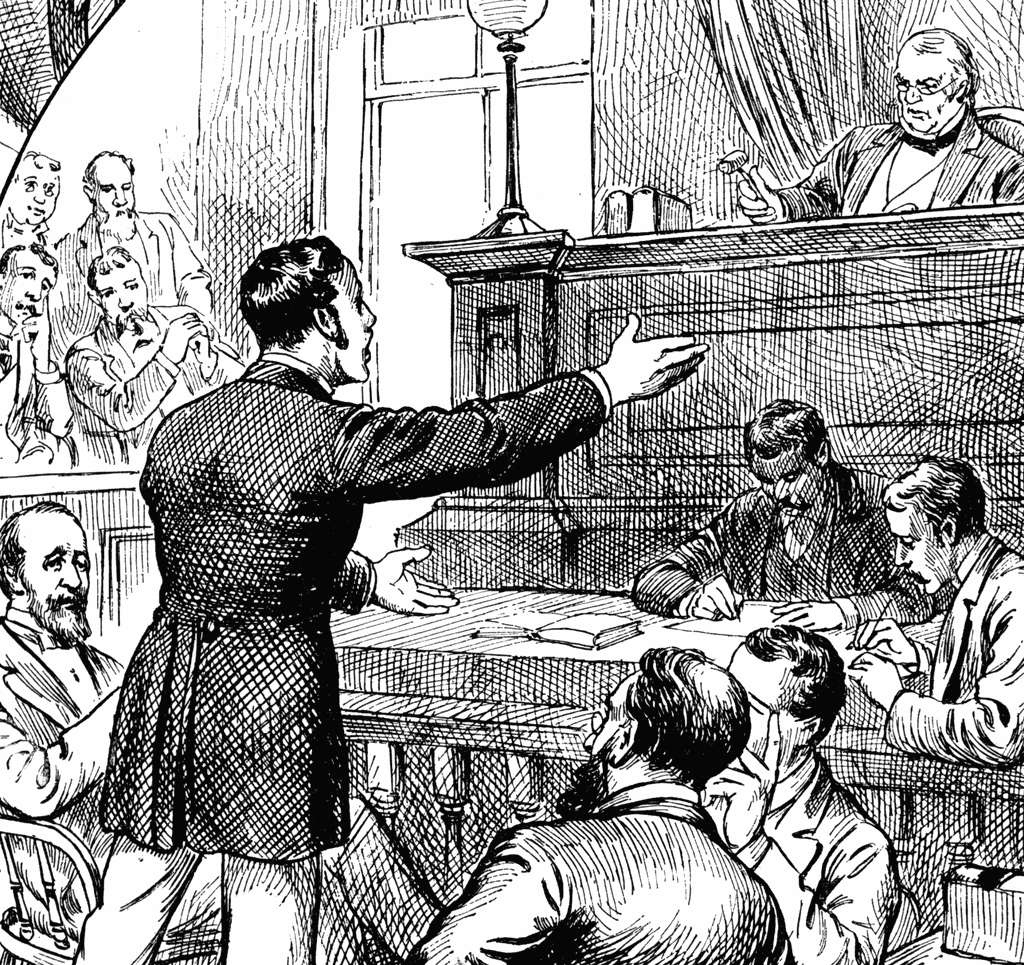
This connects to the chapter because this is how I pictured Mr.Brown in the courtroom. The courtroom was replete with friends from the defendants , the judge seemed frustrated by the interruptions of Mr.Brown, the jury just seemed to be observing every word Mr.Brown said and every action he did.
I liked this chapter because Mr.Brown acts as the representative of what he calls "the Cockroaches." He tries to give them an opinion and change the way they are looked at, he doesn't want them to be looked as criminals but rather Chicanos who deserve the same rights as everyone else.
I will remember about the chapter the way the trial is described and the way Mr.Brown gives his opinion without being intimidated by the judge. Mr.Brown is not afraid to express his views, he argues in order to prove the defendants not guilty from causing a riot but rather wanting equal rights.
This connects to the chapter because St. Basil's Church is where the chapter takes place. n this picture the Chicanos(as) are below the church, which is how it is seen in the book.
I like this chapter because the Chicanos(as) fought for their rights to attend a superior church, where they were not accepted.
I will remember how unfair the cockroach people were being treated about this chapter.
 I got this picture from


 I got this picture from Google Images; it displays a bag of pill-form LSD.